

Car Audio Wiring Kits: What’s Needed & What’s Not
Car Audio Wiring Kits: What’s Needed & What’s Not
If you’re upgrading your car audio system, chances are you’ve heard this advice:
“Don’t cheap out on wiring.”
And it’s true—but that doesn’t mean you need to buy the most expensive wiring kit on the shelf either.
This guide breaks down exactly what you need in a car audio wiring kit, what’s optional, and what’s often included but not always necessary, especially for beginners.
What Is a Car Audio Wiring Kit?

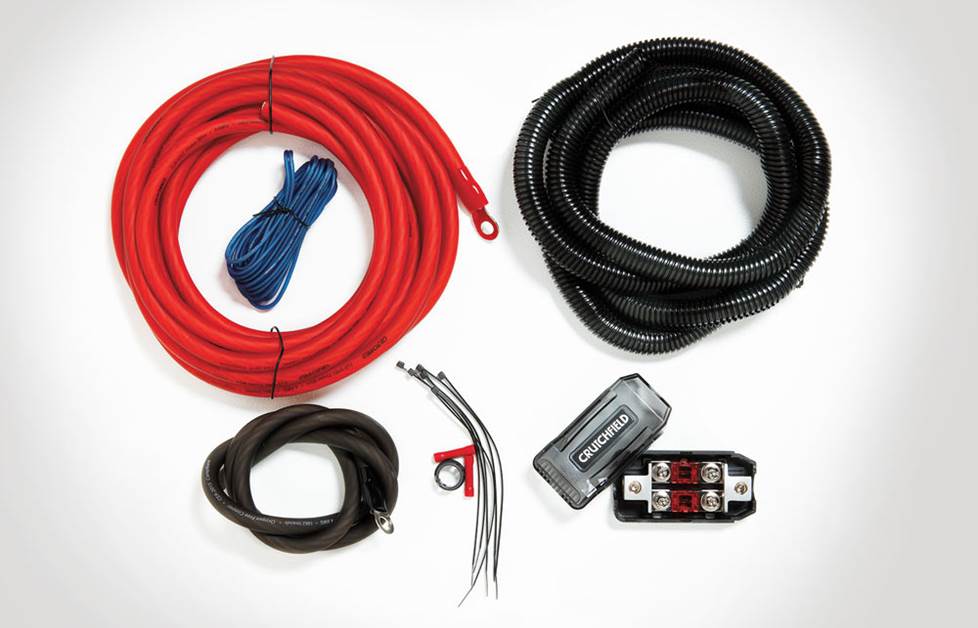

A car audio wiring kit includes all the cables and hardware needed to safely connect an amplifier to:
-
Your car’s battery
-
Your stereo (signal)
-
Your speakers or subwoofer
Without proper wiring, even the best amp or subwoofer will perform poorly—or not at all.
What You ABSOLUTELY Need (Non-Negotiable)
These items should be in every amp wiring kit.
🔴 Power Wire (Positive Cable)
This runs from your car battery to the amplifier.
-
Supplies power to your amp
-
Must be thick enough to handle the load
Beginner rule of thumb:
-
Small amps → 8-gauge
-
Medium amps → 4-gauge
-
Large systems → 0/1-gauge
⚠️ Too thin = voltage drop, overheating, or failure.
⚫ Ground Wire
This connects the amplifier to your car’s chassis.
-
Must be the same gauge as the power wire
-
Must be bolted to bare metal
Bad grounds cause:
-
Noise
-
Amp shutdowns
-
Weak output
👉 A bad ground is the #1 cause of car audio problems.
🔥 Fuse & Fuse Holder
This protects your car, not your amp.
-
Installed close to the battery
-
Prevents electrical fires if a wire shorts
❌ No fuse = serious safety risk.
🔵 Remote Turn-On Wire
A thin wire that tells the amp when to turn on and off.
-
Comes from your head unit
-
Prevents battery drain
Simple, cheap, and essential.
🎵 RCA Cables (Signal Cables)
These carry the audio signal from your stereo to the amp.
-
Quality matters (noise rejection)
-
Should be routed away from power wire
💡 Expensive RCAs aren’t required, but ultra-cheap ones often cause noise.
What You PROBABLY Need (But Depends on Your Setup)
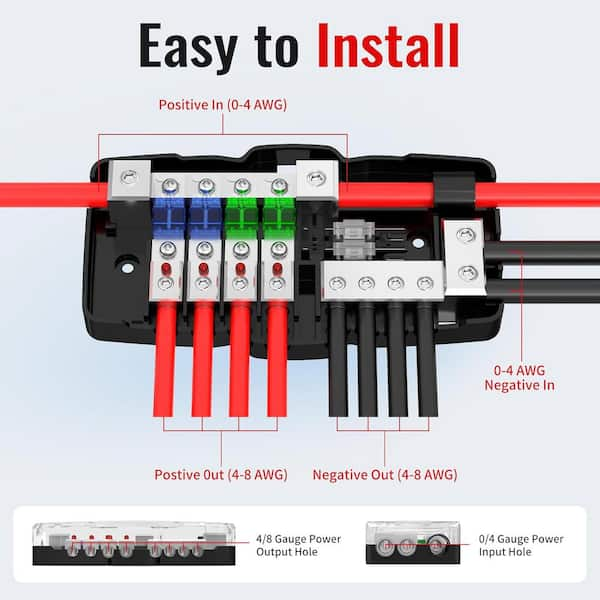
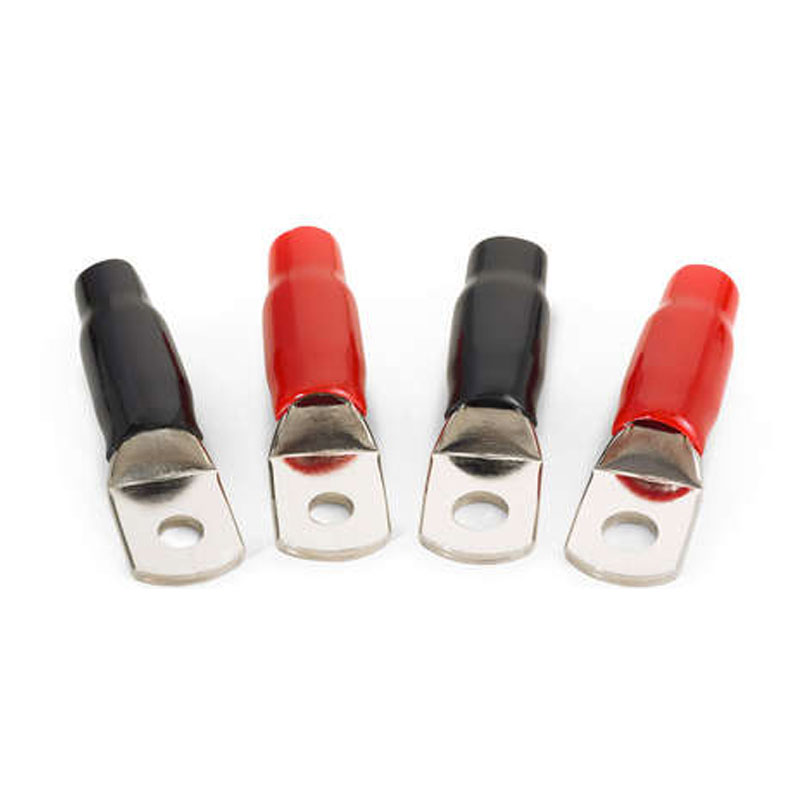

These are common, but not required for every build.
🔌 Speaker Wire
Needed if:
-
Your amp powers door speakers
-
You’re installing a subwoofer
Most kits include enough for subs, but not always for full systems.
🔗 Distribution Blocks
Used when running multiple amplifiers.
-
Splits one power wire into two
-
Helps keep wiring clean
❌ Not needed for single-amp systems.
🔩 Ring Terminals & Connectors
Make clean, secure connections.
-
Battery terminals
-
Ground points
-
Amp inputs
Cheap kits often include weak connectors—worth upgrading if needed.
What You DON’T Need (Ignore the Hype)
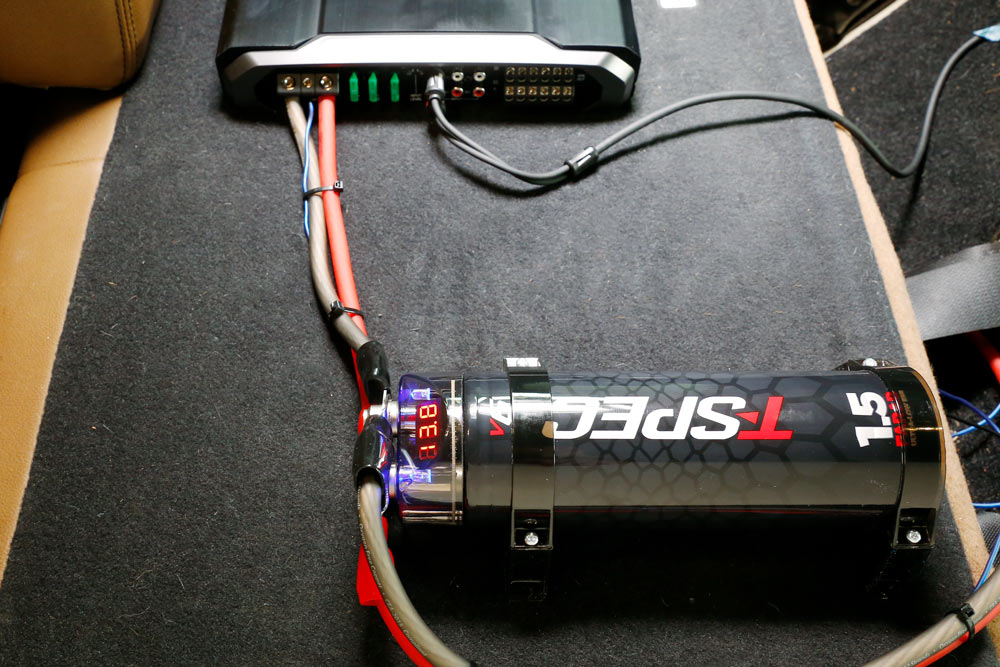


These are often marketed to beginners but usually unnecessary.
❌ Capacitors
They’re sold as “power boosters” but:
-
Don’t fix weak electrical systems
-
Don’t replace proper wiring
-
Rarely help beginner setups
👉 Upgrade wiring and battery first—always.
❌ Oversized Wiring “Just in Case”
Running 0-gauge wire for a 300-watt amp is:
-
Harder to install
-
More expensive
-
Completely unnecessary
Match the wire to the system—not your ego 😉
❌ Ultra-Cheap Wiring Kits
If a full kit costs less than dinner:
-
Thin copper-clad aluminum
-
Weak insulation
-
Poor connectors
This leads to heat, voltage loss, and failure.
Copper vs CCA: What Beginners Should Know
-
OFC (Oxygen-Free Copper)
-
Best performance
-
More expensive
-
Recommended for most builds
-
-
CCA (Copper-Clad Aluminum)
-
Cheaper
-
Requires thicker gauge
-
Acceptable for low-power systems
-
💡 If using CCA, go one size thicker than recommended.
How to Choose the RIGHT Wiring Kit
Before buying, ask:
✅ How many amps am I running?
✅ Total RMS power?
✅ How far is the battery from the amp?
✅ OFC or CCA?
✅ Does the kit include a fuse?
If you’re unsure, always size slightly bigger, not smaller.
Final Thoughts: Wiring Is the Foundation of Your System
Your wiring kit isn’t the flashy part of your car audio build—but it’s the most important.
A well-wired budget system will:
-
Sound better
-
Last longer
-
Be safer
A poorly wired expensive system will:
-
Sound bad
-
Break early
-
Risk your vehicle
Get the wiring right first—and everything else falls into place.